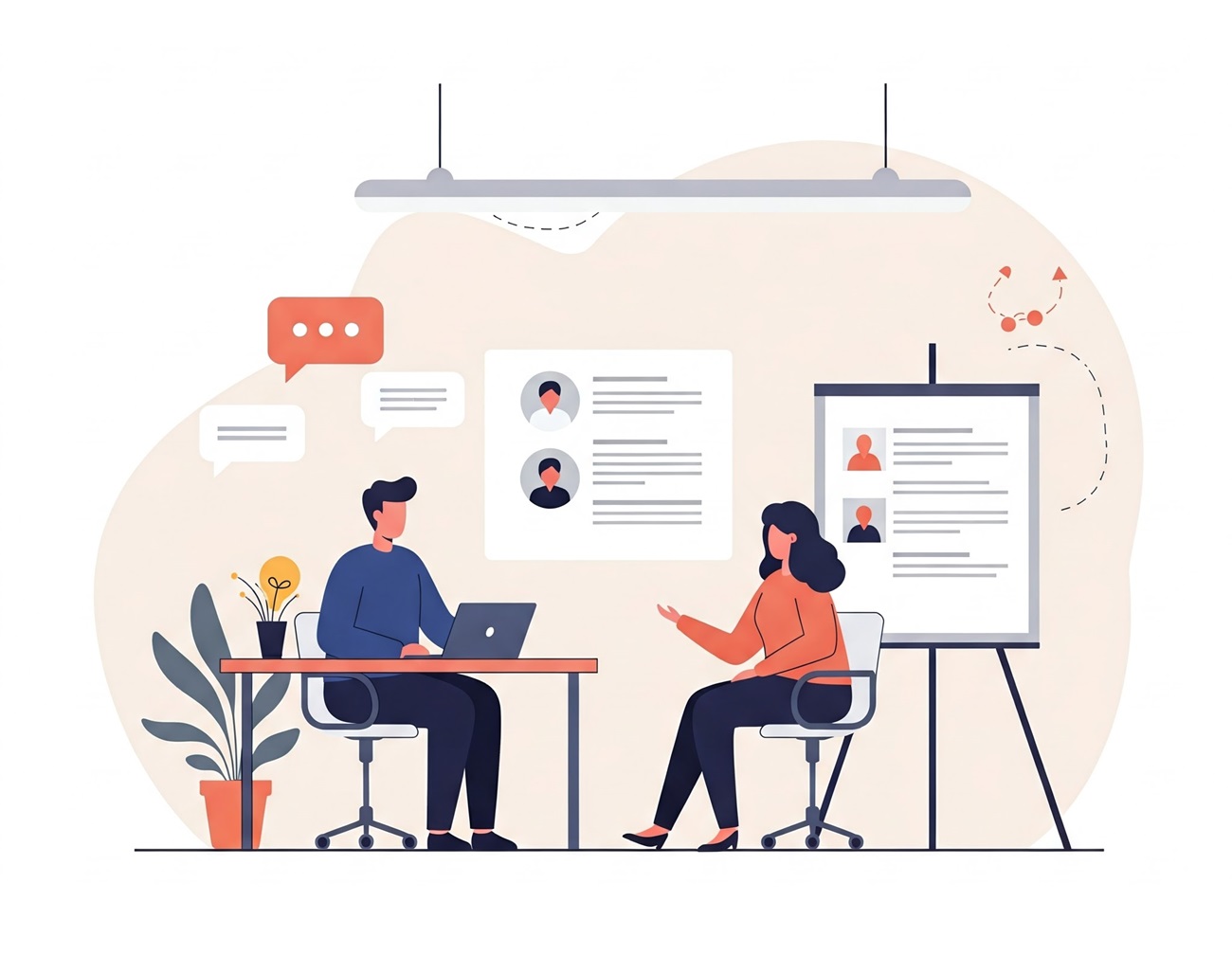

Walking into a panel interview feels like stepping onto a stage. It is intimidating, but it is also the standard for high-stakes hiring now. With the average corporate role requiring 5 distinct stages, this group format is a late-stage hurdle meant to test how you handle cross-functional dynamics. Your goal is simple: stop seeing them as a wall of authority and start seeing them as 4 or 5 individual stakeholders with different agendas. Mastering these panel interview tips will help you turn the pressure into a chance to show off your communication style and your ability to build consensus.
Why do organizations use panel interviews?
Companies use group interviews because they are statistically more reliable than 1-on-1 chats. Research shows that panels provide a consistent baseline for hiring teams, which helps them move away from gut feelings toward data-backed decisions. When 100 people apply for a single role, panels act as a filter to ensure they find the right technical and cultural fit.
The real test here is social navigation. One person wants to know if you can handle the technical workload, while another is watching to see how you act when challenged. Think of each panelist as a unique stakeholder. If you pivot your answers to provide value to the whole group rather than just the person who asked, you win. If you feel overwhelmed, our team offers mock interview practice to help you build the confidence you need for these high-pressure sessions.
How should you address multiple interviewers?
You need an inclusive presence that respects every voice in the room. When you get a question, start by making direct eye contact with the person who asked it. As you hit your stride in the answer, pan your gaze to the other panel members. This makes them feel like part of the conversation.
This isn't just about showing confidence. It signals that you value the input of silent observers, too. Often, these quiet participants are HR reps or senior leaders who care more about your long-term cultural fit than your specific technical output. By including them in your visual conversation, you show you know how to manage influence. The most common mistake? Ignoring the "silent" interviewer until the very end. If you leave them out, they will leave you out of the final hiring decision.
How to prepare for the rapid-fire nature of a panel
You must research each participant before the clock starts. Spend 15 minutes on their LinkedIn profiles, their company bio pages, and their last 3 public posts. This helps you identify their priorities. A peer might be worried about how your arrival affects their current project workload, while a director just wants to know if you can hit specific KPIs.
For example, if you are applying for a growth marketing role, don't just say you are a "hard worker." Tell the peer, "I increased the newsletter open rate from 18 percent to 31 percent across two quarters by redesigning the subject line strategy."
If the questions start coming in fast, don't rush. Pause for 3 seconds to gather your thoughts. It is perfectly fine to say, "That is a great question. Let me take a second to organize my thoughts." This keeps your answers concise and on track. To see how to structure these responses, check out our mastering behavioral interviews guide.
Tips for virtual panel success
Virtual interviews lack the physical energy of a room, so you have to manufacture it. You must look directly into the camera lens, not at the faces on your screen. This creates the illusion of direct eye contact with every evaluator at the same time.
If you struggle with this, stick a small piece of tape with an arrow near your camera lens. A Harvard Business Review study confirms that small shifts in non-verbal signals change how your message lands. By focusing on the lens, you show the entire panel you are present, which is the best way to win them over from behind a screen.
How to close with a consensus-based approach
The end goal is a collective agreement on your candidacy. Use this to your advantage. If you notice 2 panelists have similar concerns about your project management style, bridge that gap by acknowledging their shared perspective. Showing you can build consensus among senior staff is exactly what managers look for in leadership roles.
When the session ends, don't just send one blanket email. Send a personalized thank-you note to every individual on the panel. Reference a unique, specific detail from your talk with each person. This shows you were listening. It keeps you at the top of their minds during those final, high-stakes decision meetings.
Need to know if your CV is perfectly tailored and keyword-optimized to impress recruiters? Get a free CV review today! from our expert team and fine-tune your document for success!